You know the feeling: a proper lunch, back to the screen, and half an hour later you're sluggish. Eyelids heavy, focus gone. It's often called a "food coma", and most people fix it with coffee.
There's a better way. And it only takes a few minutes.
What happens after a meal
When you eat, your blood sugar rises. Your body responds with insulin, which helps your cells absorb the sugar. How high and how fast it rises depends on what you ate – but also on what you do afterwards.
If you sit still, all the sugar goes into your blood and stays there until the insulin has done its job. If you move, your muscles use sugar directly as fuel – without waiting for insulin. The peak is lower and the drop afterwards is gentler.
That drop is what causes the afternoon slump. Steadier blood sugar means steadier energy.
What the research shows
A review from the University of Limerick (Buffey et al., Sports Medicine, 2022) looked at studies where participants either sat, stood or walked at an easy pace after a meal. Walking after eating clearly lowered the blood sugar peak compared to sitting. Even short walks of just a few minutes had an effect – it didn't need to be far.
An earlier study from New Zealand (Reynolds et al., Diabetologia, 2016) compared a ten-minute walk right after each meal with one longer walk at any time of day. The after-meal walks lowered blood sugar more, especially after the evening meal. The participants had type 2 diabetes, but the mechanism is the same for everyone.
The key is timing: your muscles do the most good when the sugar is actually entering your blood – in the first minutes after eating.
How to do it
No need to change clothes, break a sweat, or even walk fast. All it takes is:
- Stand up within ten minutes of finishing your meal. The sooner the better.
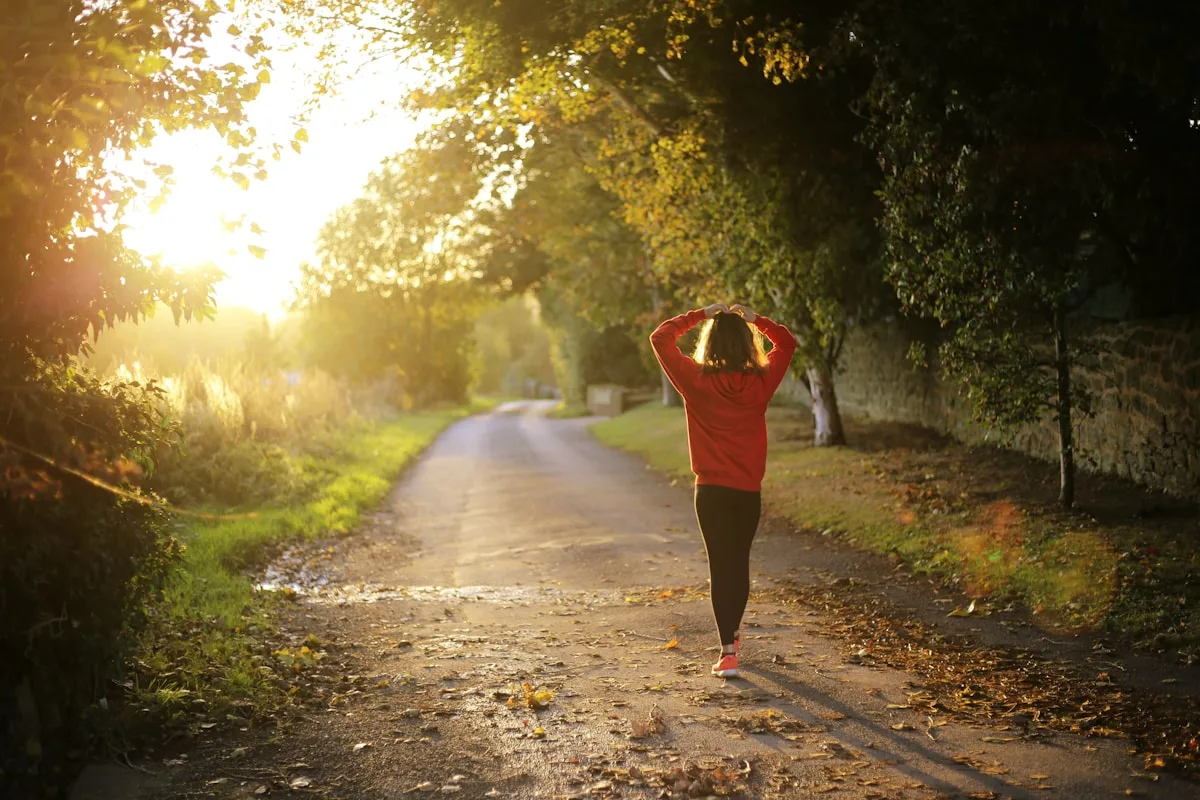
- Walk at an easy pace for five to ten minutes. Around the block, to the mailbox, a lap of the office. Outdoors is best, but indoors works too.
- Start with your biggest meal. For most people that's lunch or dinner. Begin there – the rest can come later.
Make it a habit
What makes a habit stick isn't willpower but a clear trigger. Here you have one ready-made: the meal. Attach the walk to something you already do every day – "after lunch, I go outside" – and you stop having to decide each time.
Log the walk in the app, even if it was only five minutes. Watching the streak build day after day is a bigger motivator than most people expect.
After a couple of weeks you'll notice the afternoon feels different. Not because you did something big, but because you did something small at the right time.
Markus Kask
Health coach & founder of GoMotion
Want to follow this up in everyday life?
The GoMotion app helps you build habits around sleep, movement, nutrition and focus – one step at a time.
Get the app