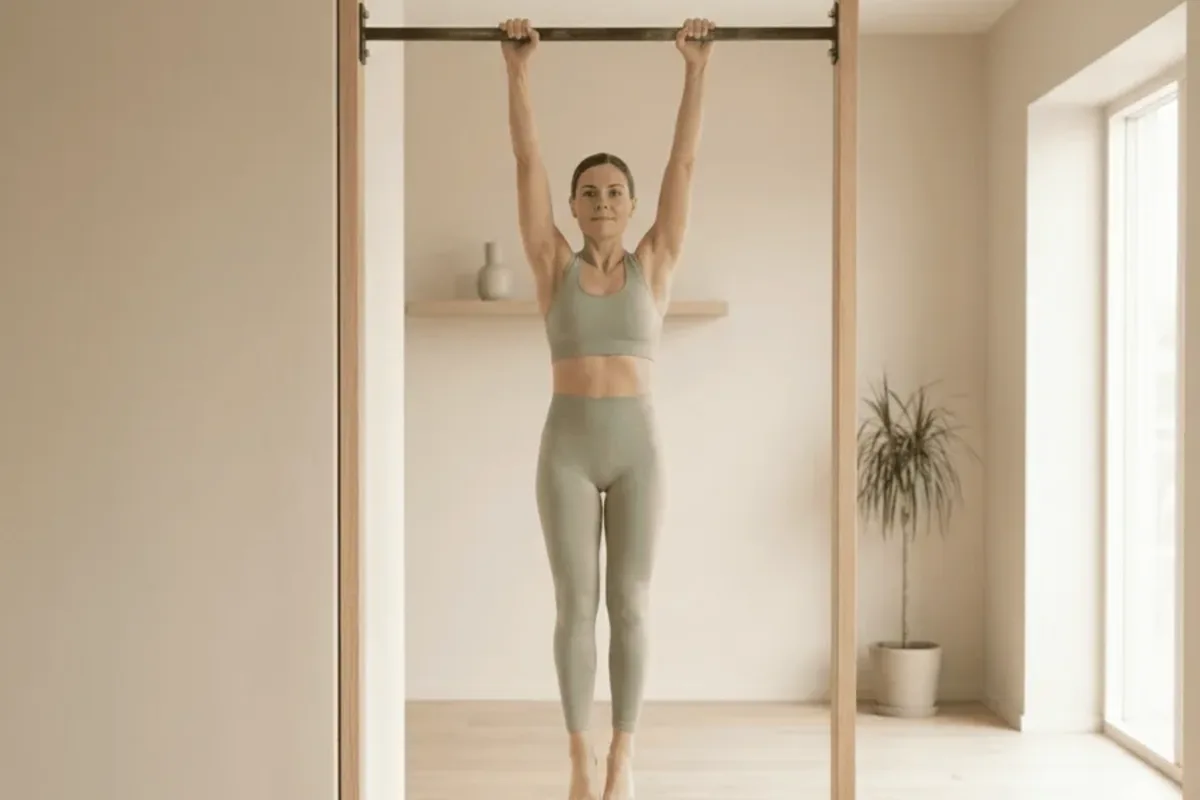
Ask someone what they do for their health and the answer is usually running, walking or cycling. Cardio. Strength rarely comes up – it's seen as something for people who want to get big, or for those who already train a lot.
That's a shame. Strength training may be the most underrated part of your health, and it takes less than you think.
What happens in your body
Muscles aren't just for lifting things. They are your body's largest store for blood sugar and one of the biggest factors in your metabolism. From middle age onwards, muscle mass starts to decline unless you do something about it – and with it goes strength, balance and part of your body's ability to handle what you eat.
Strength training reverses that. When you load a muscle hard enough, your body responds by building it stronger. That's true at any age, and whether you use dumbbells, a resistance band or your own body weight.
What the research shows
A meta-analysis (Momma et al., British Journal of Sports Medicine, 2022) pooled studies that followed participants over long periods and recorded how much muscle-strengthening exercise they did. The researchers then looked at who fell ill or died.
The result: people who did strength training had lower mortality and a lower risk of cardiovascular disease, cancer and diabetes than those who didn't. And it didn't take much. The biggest benefit was seen at a moderate weekly dose – in the region of an hour a week, split however you like. More than that didn't add more. For some outcomes the benefit even seemed to fade at very high volumes.
Best of all was combining strength with cardio. That combination gave a lower risk than either one alone.
Why two sessions are enough
This changes what "doing strength training" means. It's not about going to the gym five days a week. It's about giving your muscles a sufficient signal, regularly. Two short sessions a week sit right in the range where the research sees the biggest effect.
Is twice a week enough to build muscle?
That's a different question, and it has a different answer — a better one than most people expect.
A meta-analysis of frequency studies (Schoenfeld et al., Sports Medicine, 2016) compared training a muscle once, twice or three times a week while keeping total weekly sets equal. Twice a week beat once a week for muscle growth. Whether three times beats twice is still unclear.
Two things worth knowing about that result:
The advantage is biggest if you're untrained. If you're starting out, twice a week isn't a compromise — it's close to the best use of your time.
Total volume matters more than frequency. Once your weekly sets are the same, spreading them over two days rather than one helps, but the sets themselves are doing the work. Two sessions that each cover the whole body will comfortably get you there.
So: yes. Twice a week builds muscle, and for most people it builds about as much as three or four sessions would.
Is twice a week enough if you only go to the gym?
Same answer, with one caveat. If both sessions are full-body, two is plenty. If you split them — chest one day, legs the next — each muscle only gets trained once a week, and that's the frequency the research found to be worse.
Two sessions a week means full-body twice, not a split.
How to do it
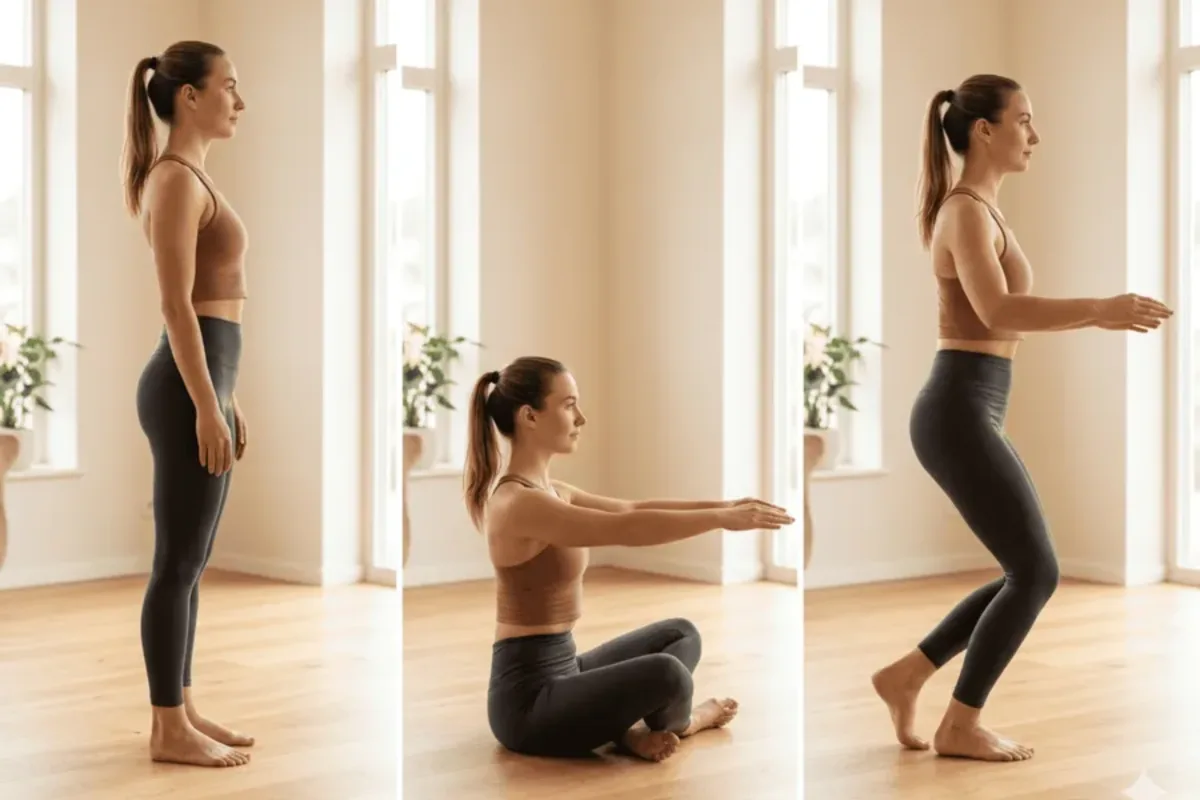
- Pick five exercises that cover the whole body. Squats, lunges, push-ups, rows with a band or dumbbell, and something for your core. That's enough.
- Do two to three sets per exercise. Choose a weight or variation where the last few reps feel heavy. That feeling is the signal.
- Twice a week, with at least a day in between. Tuesday and Friday, or Saturday and Wednesday. Muscle is built while you rest.
- Add a little when it gets easy. Heavier weight, more reps or a harder variation. Small steps are enough.
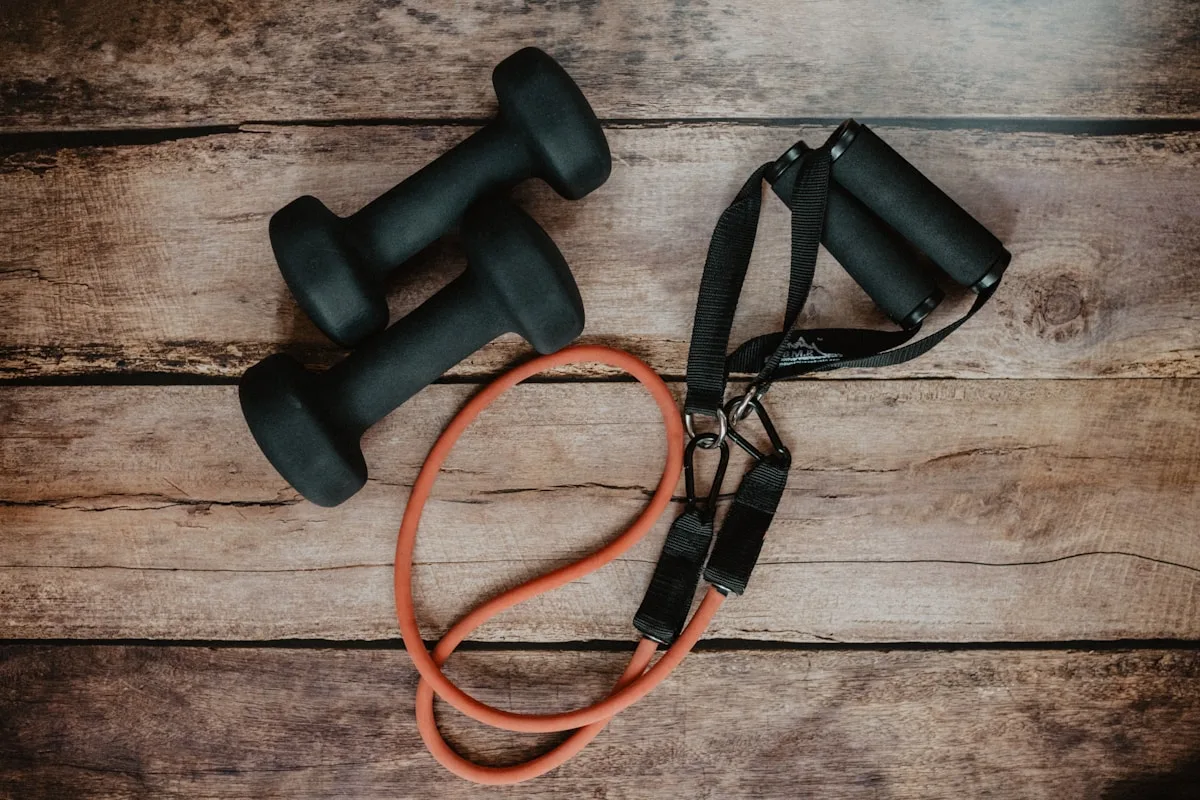
You don't need any equipment to start. Body weight works for the first few months. A pair of dumbbells or a band at home removes the biggest obstacle: having to go somewhere.
Log your sessions in the app, even when they only took fifteen minutes. Two ticks a week, week after week, is the whole point.
Markus Kask
Health coach & founder of GoMotion
Want to follow this up in everyday life?
The GoMotion app helps you build habits around sleep, movement, nutrition and focus – one step at a time.
Get the app