Almost every diet has an enemy. Carbs, fat, gluten, sugar, anything after eight o'clock. You get a list of what's forbidden, and the diet works until you break the list.
The Mediterranean diet is different. It has no enemy. It describes a pattern, not a set of rules – and that's exactly why it's so well studied.
What the Mediterranean diet is
The name comes from how people traditionally ate around the Mediterranean, but it isn't about eating Italian or Greek food. It's about proportions:
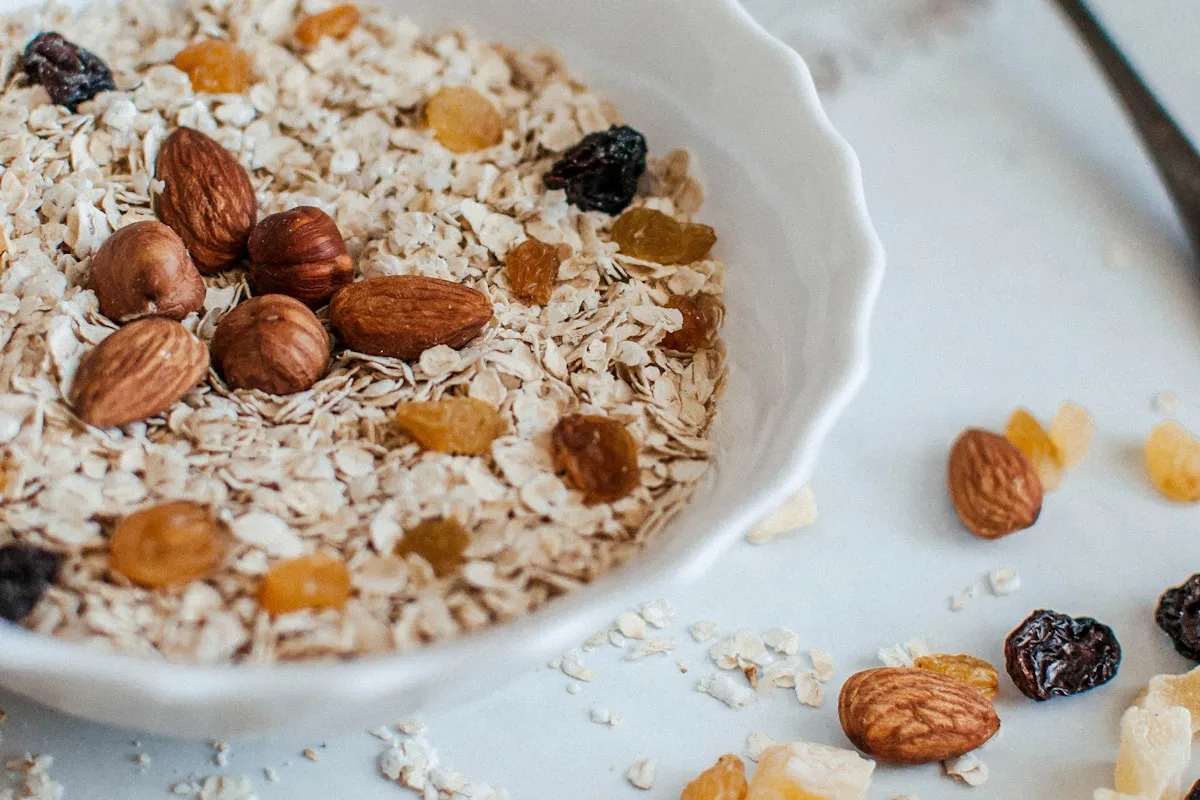
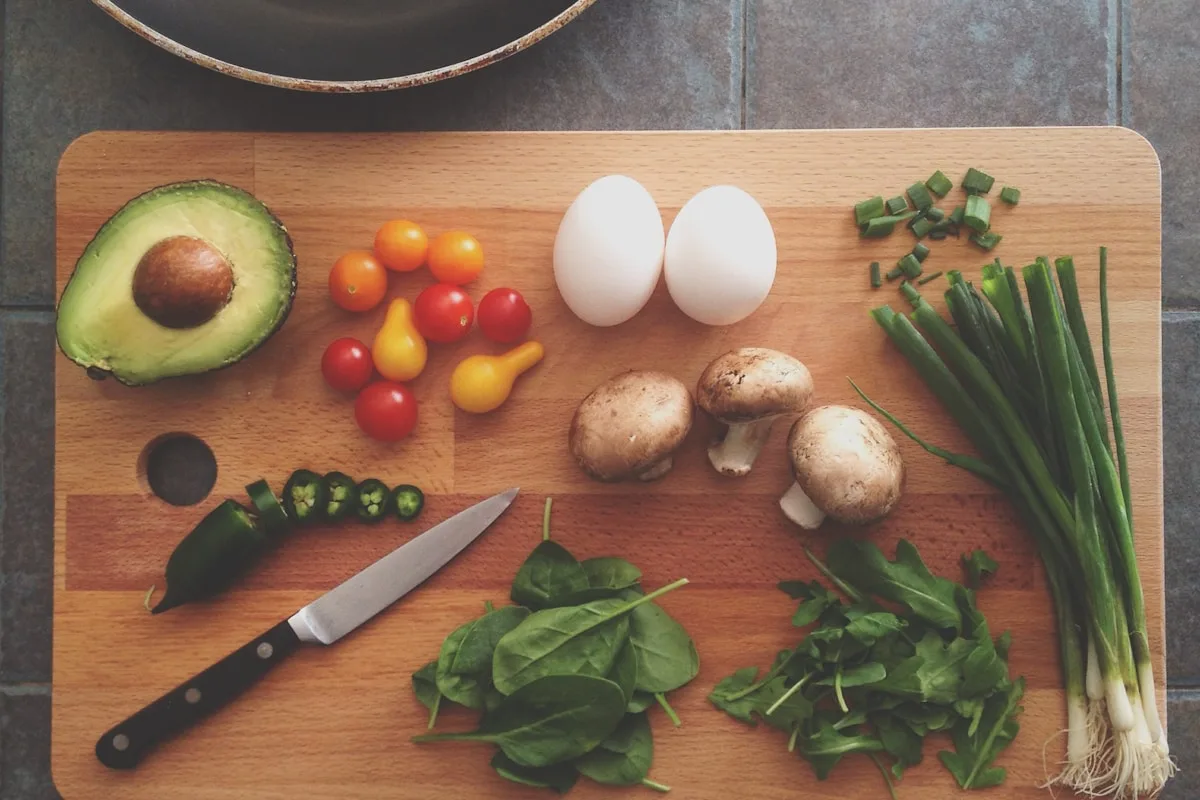
- Plenty of vegetables, fruit, legumes, whole grains, nuts and seeds.
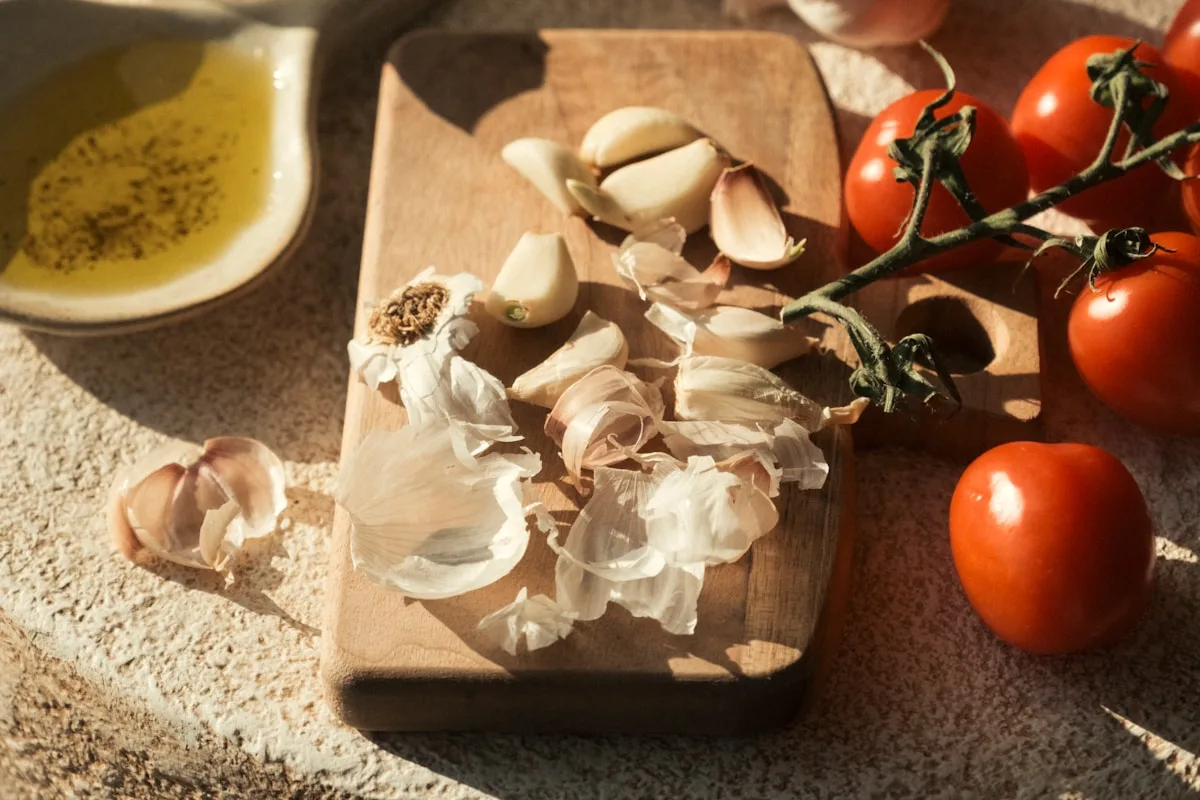
- Olive oil as the main fat.
- Fish and seafood regularly.
- Moderate amounts of dairy, eggs and poultry.
- Little red meat, sweets and ready-made food.
Nothing is forbidden. The difference lies in what gets the most room on the plate over time. That's also what makes it easy to live with: you can eat at a restaurant, at a party, while travelling, and still keep the pattern.
What the research shows
The largest controlled trial of the Mediterranean diet was done in Spain (Estruch et al., New England Journal of Medicine, 2018, a republication of the 2013 study). Participants were at high risk of cardiovascular disease but had no diagnosis yet. They were randomly assigned to one of three groups: a Mediterranean diet with extra olive oil, a Mediterranean diet with extra nuts, or a control diet where the advice was to cut down on fat.
After several years of follow-up, both Mediterranean groups had measurably fewer major cardiovascular events – heart attack, stroke and death from cardiovascular disease – than the control group.
What makes the result interesting is how it was achieved. Nobody counted calories. Nobody got a banned list. Participants received olive oil or nuts for free and support in eating more in a certain direction. That was enough.
The study was republished in 2018 after the researchers found flaws in how some participants had been assigned to groups. When the analysis was redone without those participants, the conclusion held. That's worth knowing, because it's rare for a study of this size to be scrutinised so hard and still stand.
How to do it
You don't need to overhaul your whole diet. Think direction, not rules:
- Switch the fat. Olive oil for cooking, in the salad, on the bread. It's the simplest change with the clearest link to the study.
- Add, don't subtract. A handful of nuts a day. Vegetables with every hot meal. Beans or lentils a few times a week.
- Fish more often than you do now. It doesn't have to be every day. More often is enough.
- Let meat and sweets be the exception, not the everyday. Not forbidden. Just less often.
If you only do one of these: take the first. Then the next once it sticks.
Make it a habit
What makes the Mediterranean diet work is that it doesn't require perfect days. One bad meal ruins nothing. The pattern across the week is what counts.
Log your meals in the app for a few weeks and look at the whole rather than individual days. If olive oil, vegetables and legumes show up more often than before, you're on the right track – regardless of what you ate last Saturday.

Markus Kask
Health coach & founder of GoMotion
Want to follow this up in everyday life?
The GoMotion app helps you build habits around sleep, movement, nutrition and focus – one step at a time.
Get the app