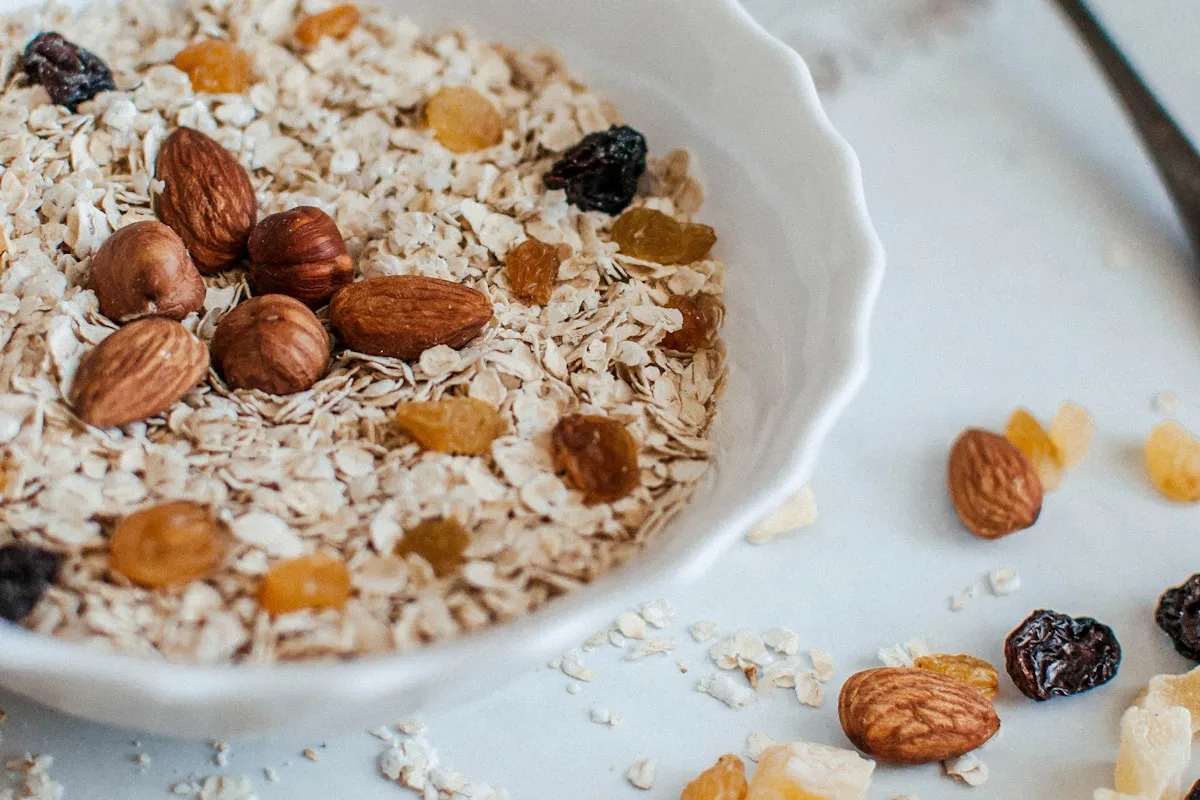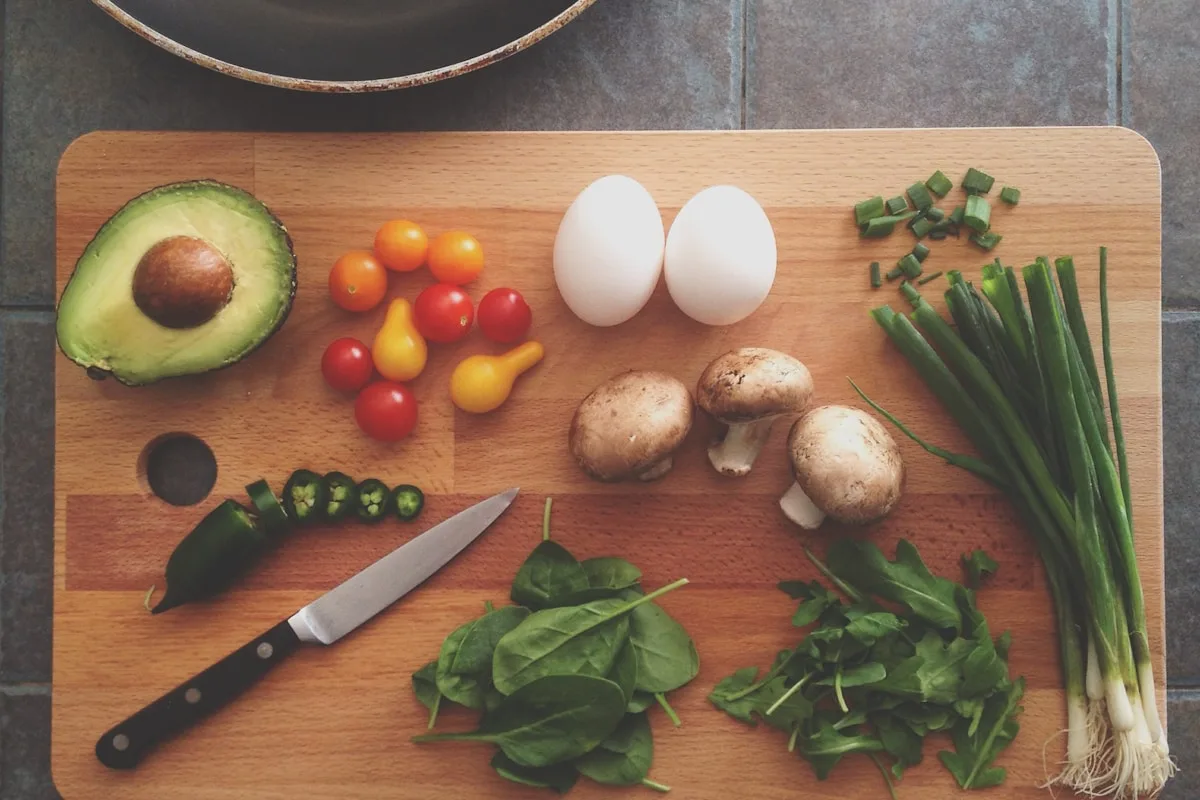
Breakfast: a sandwich or a bowl of cereal. Lunch: a salad or a soup. Dinner: meat, fish or beans, and plenty of it. Sound familiar?
This is how most people eat. And it means almost all the protein arrives at once, late in the day. Your body would have preferred something else.
What protein does in your body
Your muscles are constantly being broken down and rebuilt. It's not something that only happens at the gym – it goes on every day, at rest. Protein from food is the building material, and every meal that contains enough protein kicks off the rebuilding.
There's a limit, though, to how much a muscle can use at one time. If a meal gives it too little protein, the rebuilding barely starts. If it gets a great deal, it can't save the surplus for later. So a day with two low-protein meals and one protein-rich dinner gives your muscles fewer opportunities to build than if the same amount had been spread more evenly.
This matters more as you get older. Over the years, muscles respond more weakly to the same amount of protein, and muscle mass starts to decline long before you feel old. It's one reason many people lose strength in middle age without understanding why.
What the research shows
An international expert group (Bauer et al., Journal of the American Medical Directors Association, 2013) reviewed the research on protein and muscle in older adults. Their conclusion was that older guidelines had been set too low: adults who are getting older need more protein per day than previously assumed to maintain muscle mass and function.
Just as important was how the protein is distributed. The group recommended spreading it across the day's meals, with a sufficient amount at each one, rather than concentrating it in a single sitting. They also stressed that protein and physical activity go together: strength training helps muscles make better use of the protein.
The recommendations are written for older adults. But the mechanism is the same at every age, and the habit is easiest to build before you need it most.
How to do it
You don't need to eat more in total. You need to move some of the protein from the evening to the morning and midday.
- Give breakfast a proper protein component. Eggs, quark, Greek yogurt, cottage cheese, or a generous slice of cheese. Cereal and a sandwich rarely cut it.
- Make sure lunch has a clear protein source. Chicken, fish, eggs, tofu, beans or lentils. The soup and the salad need something in them.
- Let snacks contribute. A yogurt, a handful of nuts, a boiled egg. Small moments count.
- Dinner can stay as it is. It's rarely the problem.
If you do strength training: make sure there's protein in the meal after your session. That's when your muscles are most receptive.
Make it a habit
The easiest way to remember is to ask yourself at every meal: where's the protein? If the answer is "nowhere", add something.
Log your meals in the app for a week and look at the spread. For most people, breakfast is the weakest link. Fix that first, and the rest follows.

Markus Kask
Health coach & founder of GoMotion
Want to follow this up in everyday life?
The GoMotion app helps you build habits around sleep, movement, nutrition and focus – one step at a time.
Get the app