You open a bag of crisps planning to have a few. Ten minutes later the bag is empty. You've never done that with a bowl of cooked lentils.
It's easy to blame willpower. But there's a better explanation, and it's about the food – not about you.
What "ultra-processed" means
Almost all food is processed in some way. Bread is baked, cheese is cultured, frozen peas are blanched. That's not the problem.
Ultra-processed food is something else: products assembled from industrial ingredients – starches, protein isolates, oils, sweeteners, flavourings, emulsifiers – rather than from whole ingredients. Crisps, soft drinks, sweets, many breakfast cereals, ready meals, sausages and biscuits fall into this group. They're often soft, easy to chew, energy-dense and designed to taste just good enough that you want more.
The interesting part is what that combination does to how much you eat.
What the research shows
A research team at the US National Institutes of Health (Hall et al., Cell Metabolism, 2019) did something unusual: they had participants live at a clinic for several weeks and served every meal themselves. For two weeks, participants got an ultra-processed diet; for another two weeks, an unprocessed one. The meals were matched so they contained roughly the same amount of calories, sugar, fat, fiber and protein. Participants could eat as much or as little as they wanted.
The result: on the ultra-processed diet, participants ate noticeably more each day and gained weight. On the unprocessed diet, they ate less and lost weight. Same people, same nutrients on the plate, same freedom to choose how much.
Participants also rated the two diets as roughly equally pleasant. So it wasn't that the ultra-processed food tasted better. It was easier to eat a lot of. Among other things, the researchers noted that participants ate faster on the ultra-processed diet – more food per minute – which may mean fullness doesn't catch up in time.
Because the study was small and short, it can't tell us about long-term effects. But it shows something important: the difference appeared without anyone trying to eat more, and without any difference in nutrients.
How to do it
The point isn't that ultra-processed food is forbidden. The point is that it's hard to eat a little of, and you can plan for that.
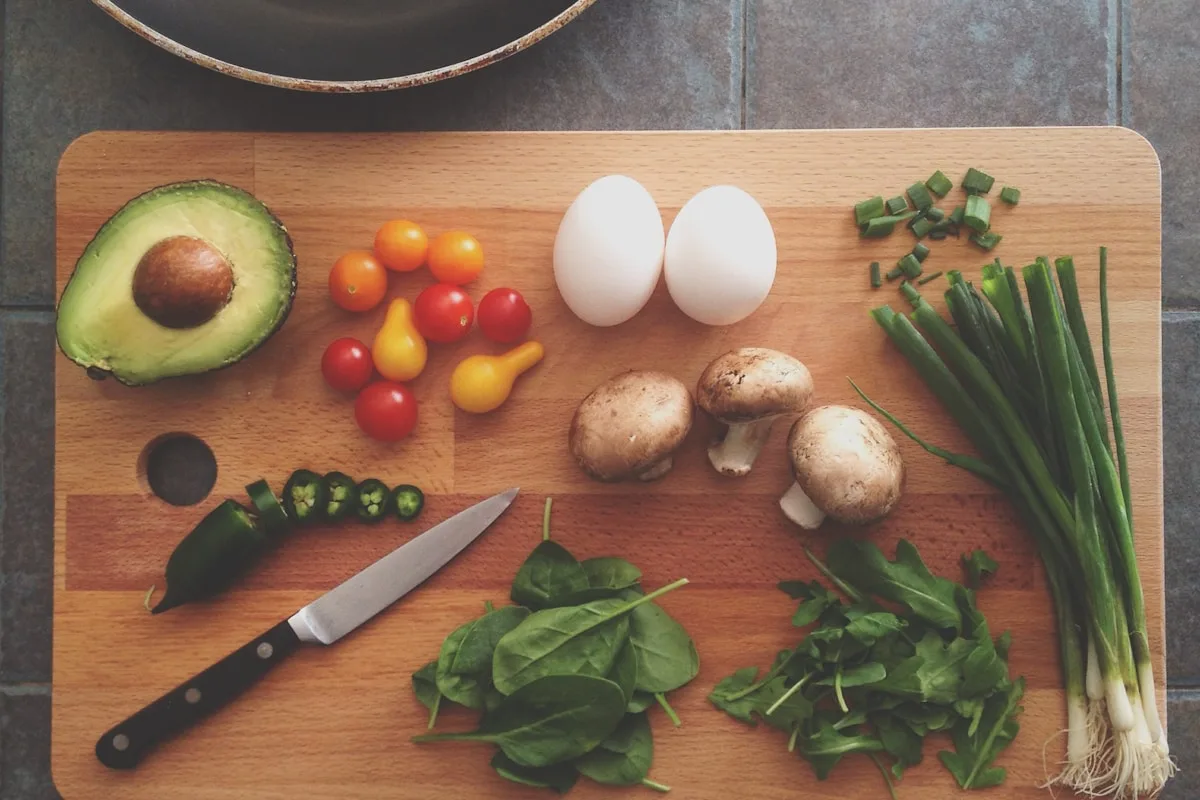
- Keep whole foods at home that are just as easy to grab. Fruit in a bowl on the counter, boiled eggs in the fridge, nuts in a jar. Whatever is closest wins.
- Cook a simple base in advance. A pot of lentils, a tray of roasted vegetables, boiled potatoes. Then the unprocessed meal is as quick as the ready meal.
- Eat ultra-processed food from a bowl, not from the bag. It gives you a stopping point you otherwise don't get.
- Slow down. Put your cutlery down between bites now and then. Fullness needs time.
- Swap one thing at a time. The breakfast cereal first, then the snack. Not everything at once.
Make it a habit
You don't need to feel guilty about the crisps. You just need to know what they do, and make it a little easier for yourself next time.
Log what you eat in the app for a few days and look at where the ultra-processed food shows up. Often it's one or two moments a day that account for almost all of it. Start there.

Markus Kask
Health coach & founder of GoMotion
Want to follow this up in everyday life?
The GoMotion app helps you build habits around sleep, movement, nutrition and focus – one step at a time.
Get the app